
On the surface, humans are polite. We say please, thank you, and ask about people’s weekends with an alarming degree of interest. But underneath that shiny layer of etiquette? A whole arsenal of phrases that sound friendly but hit like a truck. Welcome to the world of weaponized niceness—those little linguistic landmines that seem harmless, …
Vocabulary
English spelling is a menace. A beautiful, rule-breaking, logic-defying menace. And no matter how many degrees you’ve got hanging on your wall—or how many Grammarly plugins you’ve installed—there are still words that will trip you up faster than a Lego in the dark. These are the traitors. The deceptively innocent-looking words you’ve probably typed a …
If ‘whom’ were a person, it’d be the one at a dinner party correcting everyone’s grammar and quoting Shakespeare before dessert. It sounds formal, stiff, and maybe a little smug — but for some reason, it’s still hanging around in our emails and official letters. Most people avoid it. Some people use it to sound …
Exploring the Fascinating Origins of Month Names This summary highlights a compelling video by RobWords, exploring the historical origins and meanings behind the names of our calendar months. Blending Roman mythology, Old English traditions, and linguistic history, the video reveals how each month got its modern name, along with intriguing historical alternatives. Key Takeaways ? …
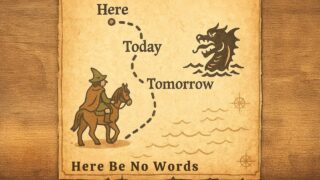
Let’s talk about a little linguistic gap you’ve probably never noticed. English, for all its quirks, complexities, and global clout, somehow missed a memo. We’ve got a word for today. We’ve got a word for tomorrow. But what about the day after tomorrow? Well, we say the day after tomorrow. That’s four whole words to …
Today, we’re going to ruin some romantic words for you. Lovingly, of course. We’ll peek into the origins of honeymoons, dig into the pain behind passion, and find out why a beheaded man is behind your Valentine’s Day plans. Oh, and there will be rats. But we’ll save those for last. ? Honeymoon: Sounds …
Some food names make sense. Others? They’re weird little linguistic puzzles wrapped in sauce, seasoning, and centuries of miscommunication. I started looking into where some of these everyday words came from… and things got out of hand fast. From pasta that sounds like a death threat to avocados you’ll never look at the same way …
Alright, before we get started, let’s just admit something: We all have little words we lean on when we’re nervous, unsure, or trying to sound “nicer.” The problem? Those tiny words can chip away at the confidence we’re trying so hard to project. Today, we’re going to walk through 11 sneaky confidence killers — and …

We toss them around in conversation. We spot them in novels, news articles, and even memes. Some sound poetic. Others are blunt and punchy. But what they all have in common might surprise you. Many of these everyday words were first written by Shakespeare himself. Let’s go through some of the most unexpected—and fascinating—words that …