
Have you ever been in doubt about where to put sneaky commas in sentences? And, have you mistakenly thought of a word belonging to one part of speech when, in fact, it doesn’t? Writing may seem to be one of the most agonizing tasks for most people, except for experts in the field of course. …
Search results for: bear in mind
One of the many troubles encountered in writing is with multifaceted words and punctuation marks. Words wearing multiple faces are tricky because we could get tangled up in which denotation or connotation should be applied in what sense. Punctuations, especially commas, are but sneaky too since they have more grammatical and stylistic rules to follow. …
The written system of non-lexical items in texts is known as punctuation. Punctuation marks are guiding signs for readers so the words do not crash into one another, thereby preventing word traffic collision. In short, punctuation marks are the traffic signals in the crowded community of paragraphs. And why are these marks important? Of course, …

Punctuations provide prosodic cues that convey the intention and tone of texts. The rhythm of the text can be manipulated by the mastery of punctuation placement, such as commas. Put simply, sentences without punctuations are like songs without beats while punctuation misplacement is equivalent to a person who could sing, yet hits the wrong notes …
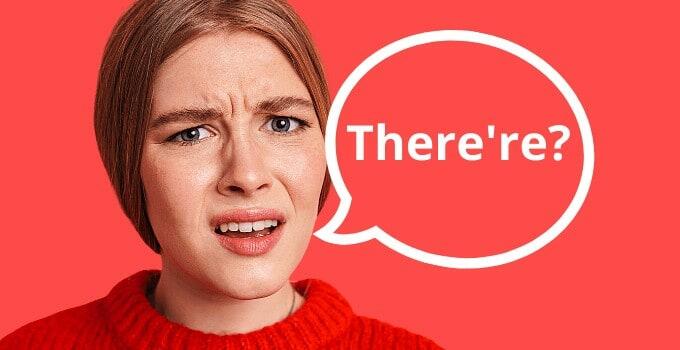
People wonder whether we can contract “there are” to “there’re,” or would that be plain wrong? Let’s try to answer that question right about now. Table of Contents What does “there’re” mean? Choosing between “there’re” or “there are” Using “there’re” in a sentence The correct way of pronouncing “there’re” “There’re” …

English is the international language. It is the second most spoken language in the world after Mandarin, and it dominates more than 55 percent of all online content, making it the de facto language of the World Wide Web. So, in a globalized world, one that is getting smaller by the day, English has been …
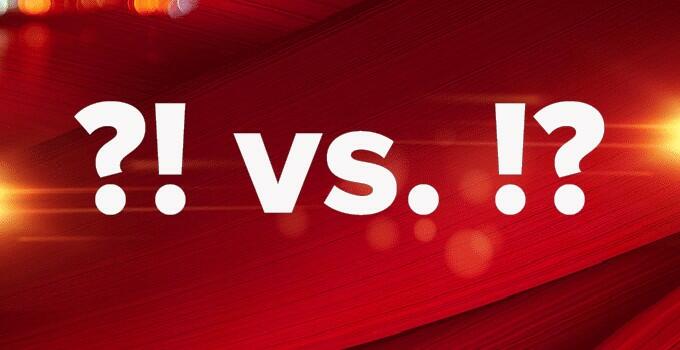
What the heck is an INTERROBANG?!

“As per your request” sounds terribly formal. But is it even correct to say so?
Time is an enigmatic and indispensable component of our existence, governing our actions and decisions. It’s the silent rhythm that orchestrates our lives, from our daily routines to our most profound moments. Its significance lies in its irrevocability, teaching us to cherish every moment. Understanding and respecting time, therefore, can lead to a more fulfilling …